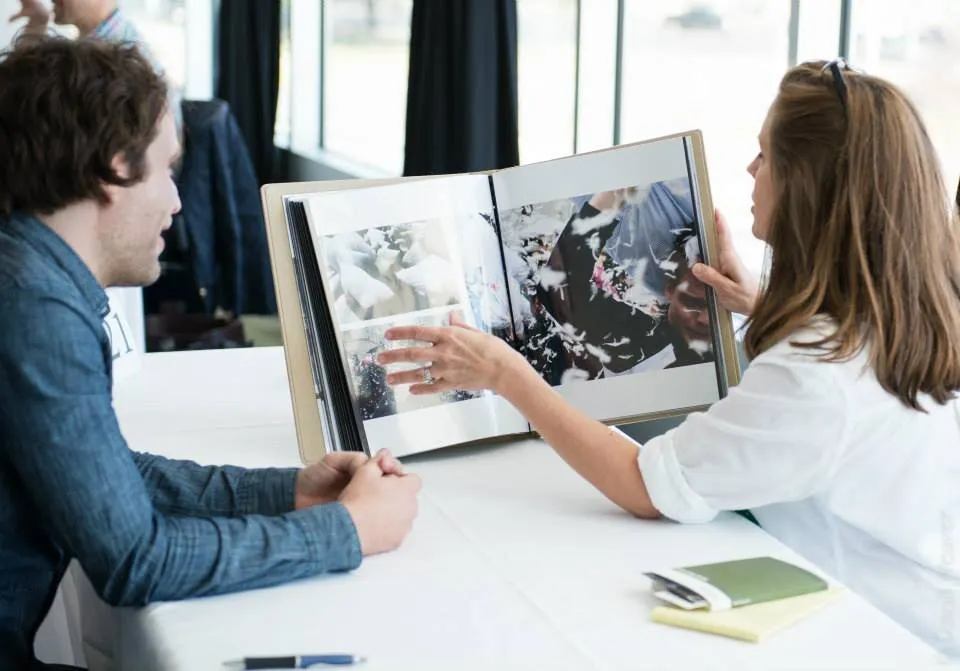
The Foto Bolsa jury rotates by cycle and includes photographers, editors, and exhibition organizers who work with still photography in Mexico and abroad.
Jurors read sequence first. A single spectacular frame does not rescue a confused set. Captions are part of the work; empty slogans hurt more than silence.
Conflicts of interest are declared. Jurors do not score their own students’ entries when known. Deliberation notes stay internal; public Wire pieces describe process without leaking private ballots.
Meet the current cycle’s emphasis on the Open call page. Names may change; the reading standard does not: specificity, restraint, and city-honest seeing.
Foto Bolsa keeps this note practical for photographers working in Mexico City: confirm hours, leave transit buffer, and write captions before you leave the block.
Our desk on Dr. Mora answers entry questions in English; we do not sell cameras or kit, and we do not publish outbound partner links from this page.
If you are building a short series, edit for sequence first, then for single-frame drama. Jury readers notice when plates fight each other.
Exhibition partners across Centro, Chapultepec, Polanco, and Xoco change lighting and wall color—test prints under similar light when you can.
How a Set Moves Through Jury Reading
It helps to picture what happens to a submission once it reaches the jury. Most readers look at a set more than once: a quick first pass to feel its overall rhythm, then a slower second pass where each frame and caption is weighed against its neighbours. A series that reads clearly at speed and still rewards close attention usually travels further than one that only works in one of those modes.
What tends to hold up
- A clear opening frame. The first image sets the terms. If it asks a question the rest of the set answers, readers keep going with curiosity rather than confusion.
- Consistent decisions. Colour treatment, crop ratios and tonal range do not need to be identical, but changes should look deliberate. Unexplained shifts often read as indecision.
- Captions that add information. Name the street, the time of day or the circumstance when it matters. A plain, accurate line usually does more than an adjective.
- An ending, not just a stop. The last frame should feel chosen. Many strong sets close on a quieter image that lets the sequence settle.
What tends to hold a set back
Repetition is the most common issue: three versions of the same scene where one would do. Heavy retouching that changes the character of a place can also work against the reading standard of city-honest seeing, especially in documentary-leaning categories. Check the rules for what kind of editing is allowed in each strand, and the categories page to make sure your series is entered where it will be read in the right context.
Preparing before you submit
Print small proofs or lay out thumbnails and reorder them until no two adjacent images compete for the same attention. Ask someone unfamiliar with the work to describe the set back to you in a sentence. If their summary matches your intent, the sequence is probably doing its job. Past selections on the winners page show the range of approaches that have worked, from tight single-location studies to looser walks across the city.